

Ghost Boys is not a comfortable book. It was never meant to be.
Published in 2018 by acclaimed author Jewell Parker Rhodes, the novel has become one of the most frequently challenged titles in American schools and libraries. At the center of the controversy is its unflinching portrayal of a Black child killed by police—an image that mirrors real-life headlines and forces readers to confront a truth many would rather avoid.
For supporters, Ghost Boys is essential reading. For critics, it is “too political,” “too divisive,” or “too painful.” But for the families, students, and educators who see themselves reflected in its pages, the story is simply honest.
A Story Rooted in Reality
The novel follows Jerome Rogers, a 12-year-old boy from Chicago who is shot and killed by a police officer while holding a toy gun. In death, Jerome becomes an observer—watching his mother grieve, his community fracture, and the systems around him continue as if nothing has changed.
As a ghost, Jerome meets other children who lost their lives to racial violence. Among them is Emmett Till, whose 1955 murder helped ignite the Civil Rights Movement. Their presence makes clear that Jerome’s story is not an isolated incident—it is part of a long and unresolved history.
Rhodes does not rely on shock or spectacle. Instead, she allows the quiet weight of loss, confusion, and injustice to speak for itself. The result is a novel that feels less like fiction and more like testimony.
Who the Book Serves
Though categorized as middle-grade literature, Ghost Boys reaches far beyond its intended age range. It is written for young readers between 10 and 16, but it has also become a staple in classrooms, community book clubs, faith-based groups, and social justice circles.
Teachers use the book to introduce conversations about civil rights, police accountability, empathy, and grief. Parents turn to it as a way to discuss real-world issues that children are already seeing on their screens and in their neighborhoods.
It is not a book that offers easy answers—but it opens doors to necessary dialogue.
Why It Has Been Banned
Across the country, Ghost Boys has been removed from libraries and challenged in school districts for addressing police violence and systemic racism. Some parents and officials argue that the book portrays law enforcement negatively or exposes children to ideas they consider “political.”
Others say the book makes readers uncomfortable.
But discomfort is often the first step toward understanding. And in the case of Ghost Boys, the discomfort comes not from exaggeration, but from recognition.
The story reflects a reality many families already know—and one many others are just beginning to see.
The Voice Behind the Story
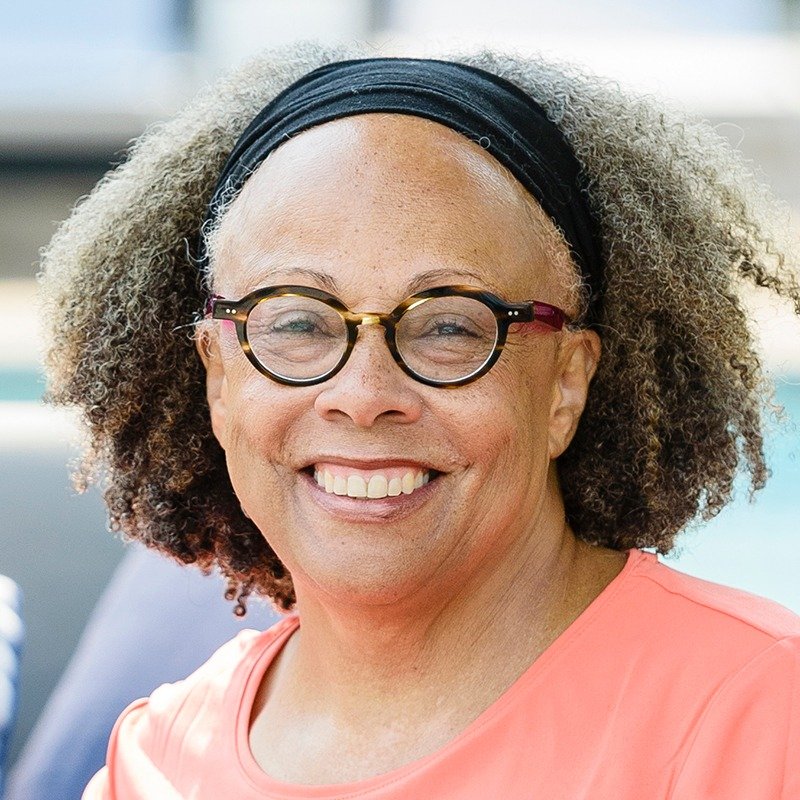
Jewell Parker Rhodes is an award-winning author and former university professor whose career spans more than two decades. She has written extensively for children, teens, and adults, with a focus on history, identity, resilience, and justice.
Her body of work—including Black Brother, Black Brother and Paradise on Fire—centers young people as agents of change and refuses to shy away from difficult truths. Rhodes has said she writes to help children feel seen, valued, and empowered.
In Ghost Boys, that mission is unmistakable.
Why This Book Matters
Banned or not, Ghost Boys continues to circulate—passed from student to student, teacher to teacher, community to community. Its impact lies not in controversy, but in connection.
It reminds readers that behind every headline is a child. Behind every statistic is a family. And behind every act of silence is a story waiting to be told.